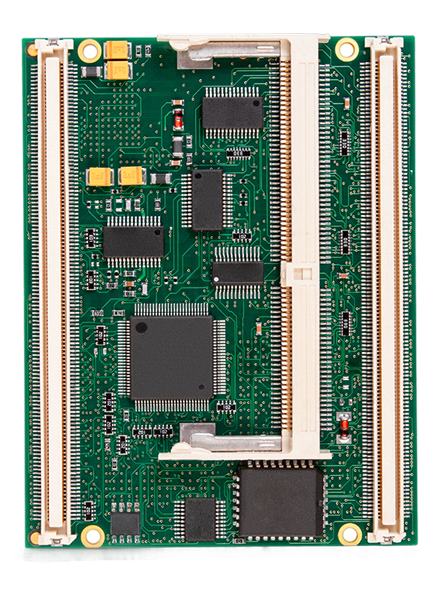
While many suppliers offer assembly capabilities, not every provider delivers true full-turnkey PCB assembly services that simplify the entire manufacturing process.
A full-turnkey partner manages everything from procurement and PCB fabrication to assembly, testing, and final delivery. This consolidated approach can reduce supplier management burdens, improve communication, and accelerate product launches.
Before committing to a manufacturing relationship, OEMs should ask several critical questions to ensure their supplier has the capabilities, systems, and expertise needed to support both current and future production requirements.
10 Questions OEMs Should Ask A Potential PCB Assembly Partner
1. Do You Manage Both PCB Fabrication and Assembly?
One of the first questions to ask is whether the provider truly offers end-to-end manufacturing services.
Some suppliers advertise turnkey solutions but outsource significant portions of the process. This can introduce communication gaps, quality inconsistencies, and schedule delays. A qualified PCB fabrication manufacturer should have established relationships, proven sourcing processes, and integrated workflows that connect fabrication and assembly activities.
By consolidating fabrication and assembly under a single management structure, OEMs gain:
- Simplified supplier oversight
- Better schedule coordination
- Faster issue resolution
- Improved accountability throughout production
Understanding exactly how your partner manages the supply chain can help prevent surprises later in the project lifecycle.
2. How Do You Source and Manage Components?
Component procurement remains one of the most challenging aspects of electronics manufacturing. Supply chain disruptions, long lead times, counterfeit risks, and obsolescence concerns continue to affect OEMs across industries.
Ask potential partners:
- How do they qualify suppliers?
- What is their process for handling shortages?
- Can they identify alternate components when necessary?
- How do they verify component authenticity?
Strong PCB manufacturing services providers should maintain relationships with trusted distributors and implement robust procurement controls.
A capable turnkey partner should also provide visibility into component availability during the quoting and planning stages, helping engineering and procurement teams make informed decisions before production begins.
3. What Quality Certifications and Processes Do You Follow?
Quality management directly affects product reliability and field performance.
Before selecting a partner, ask about:
- ISO certifications
- Inspection procedures
- Traceability systems
- Documentation practices
- Corrective action processes
Quality should be embedded throughout the entire PCB assembly manufacturing process rather than treated as a final inspection activity.
A well-defined quality system reduces risk, improves consistency, and helps OEMs meet customer and regulatory requirements.
4. What Testing Capabilities Do You Offer?
Assembly quality cannot be fully verified through visual inspection alone.
Effective full-turnkey PCB assembly providers offer multiple testing methods to validate performance and functionality, including:
- Automated optical inspection (AOI)
- In-circuit testing (ICT)
- Functional testing
- X-ray inspection for complex assemblies
- Environmental and reliability testing when required
Ask prospective suppliers which testing capabilities are available in-house and how they determine the appropriate inspection strategy for each product.
The ability to integrate testing into the manufacturing process helps identify defects early, reducing costly rework and field failures.
5. Can You Support Both Prototypes and Production Volumes?
Many OEMs prefer to work with a single manufacturing partner from product development through full-scale production.
Ask whether the supplier can support:
- Prototype builds
- Engineering validation units
- Low-volume production
- High-volume manufacturing
- Product lifecycle management
A partner capable of scaling production can help preserve process consistency while eliminating the need to transition products between multiple suppliers.
This becomes particularly important for growing companies that anticipate increasing demand over time.
6. How Do You Handle Engineering Changes?
Engineering change orders are common throughout the product lifecycle.
Whether changes stem from design improvements, component substitutions, or customer requirements, manufacturers must be able to implement revisions accurately and efficiently.
Ask potential partners about:
- Revision control procedures
- Documentation management
- Communication workflows
- Change approval processes
Strong change management practices help prevent production errors and ensure all stakeholders remain aligned throughout the manufacturing process.
For OEMs operating in regulated industries, robust documentation and traceability become even more important.
7. What Industries Do You Serve?
Industry experience matters because manufacturing requirements often vary significantly between markets.
For example, products used in aerospace, defense, medical, industrial automation, and telecommunications frequently have unique compliance, documentation, and reliability expectations.
Ask suppliers about:
- Their primary markets
- Relevant certifications
- Similar products they have manufactured
- Experience with industry-specific requirements
Experienced electronics contract manufacturing providers can often anticipate challenges and recommend solutions based on prior projects.
This expertise can improve product quality while reducing development and production risks.
8. How Transparent Is Your Communication Process?
Communication often determines the success of a manufacturing partnership.
OEMs should understand:
- Who their primary point of contact will be
- How project updates are communicated
- What reporting tools are available
- How issues are escalated and resolved
A successful partner relationship depends on clear, timely communication across engineering, procurement, quality, and production teams.
Manufacturers that prioritize transparency help customers make faster decisions and maintain project momentum.
9. What Supply Chain Risk Mitigation Strategies Do You Have?
Supply chain volatility continues to affect electronics manufacturing.
A strong turnkey partner should proactively manage risks through:
- Approved alternate component lists
- Strategic inventory planning
- Supplier diversification
- Obsolescence monitoring
- Forecasting support
The ability to navigate supply chain challenges can significantly reduce delays and protect production schedules.
As discussed in Golden West’s resources on supply chain and manufacturing strategy, proactive planning often separates successful programs from those that experience costly disruptions.
10. Can You Grow With Our Business?
The best manufacturing partnerships extend beyond a single project.
OEMs should evaluate whether a supplier has the resources, infrastructure, and expertise to support future growth.
Questions to ask include:
- Can production capacity expand as demand increases?
- What investments are being made in technology and equipment?
- How does the company support long-term customer relationships?
- What continuous improvement initiatives are in place?
A scalable manufacturing partner becomes an extension of your team, supporting new product introductions, production expansion, and evolving market requirements.
Choosing the Right Full-Turnkey PCB Assembly Partner
Selecting a partner is about much more than comparing quotes. OEMs need a partner that can manage procurement, fabrication, assembly, testing, quality control, and supply chain challenges while maintaining clear communication and supporting future growth.
By asking the right questions early, engineering, procurement, and leadership teams can identify manufacturing partners that align with their operational goals and long-term business objectives.