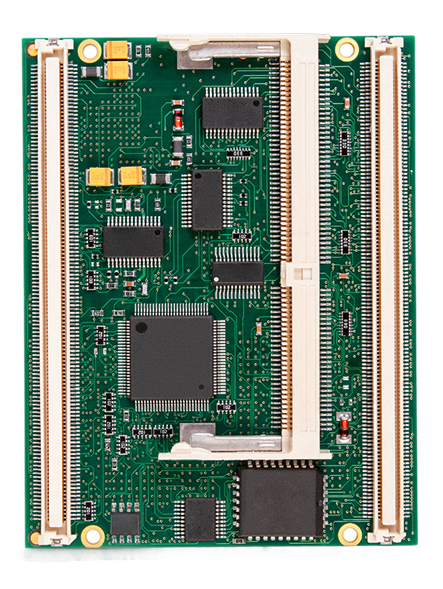
When a new product is approaching design verification, field testing, or launch, getting working circuit boards quickly can have a direct impact on the entire development schedule. That makes quick-turn PCB assembly an important resource for hardware engineers, NPI managers, and product development teams.
The definition of “quick-turn,” however, depends on the build.
A repeat order with established documentation and available components may move through manufacturing quickly. A first-time prototype with a new BOM, custom bare boards, hard-to-source components, and extensive testing requirements may require more preparation.
Understanding what goes into the schedule helps OEM teams establish realistic expectations and find opportunities to accelerate the path from prototype to production.
What Does Quick-Turn PCB Assembly Include?
Quick-turn PCB assembly is designed to reduce the time required to move a board from released manufacturing files to a completed assembly.
Depending on the program, that process may include:
- Design for manufacturability (DFM) review
- BOM review and component sourcing
- Bare PCB fabrication
- SMT and through-hole assembly
- Automated optical or X-ray inspection
- Programming
- Functional or electrical testing
- Final inspection and shipment
Each step contributes to the total lead time.
This is especially important for a prototype circuit board assembly. The first build often establishes manufacturing processes, resolves documentation questions, and identifies design or sourcing issues that may already be settled for a repeat order.
Why Prototype Lead Times Vary
A simple board built from readily available components can move much faster than a complex assembly containing specialty materials, fine-pitch devices, or long-lead components.
Several factors can influence a prototype, printed circuit board assembly timeline.
Component Availability
Component sourcing is frequently one of the biggest variables. Common parts available through authorized distribution may be obtained quickly. Specialized, allocated, obsolete, or custom components can extend the schedule before assembly begins.
Providing an accurate BOM with complete manufacturer part numbers helps the assembler evaluate availability early.
Bare Board Fabrication
The PCB itself also affects turnaround. Layer count, material, thickness, surface finish, impedance requirements, vias, and other specifications can influence fabrication time.
A standard board construction is generally easier to expedite than a highly specialized design requiring uncommon materials or processes.
Design Readiness
Incomplete or conflicting manufacturing files can slow down even a straightforward build.
Before requesting a quote, teams should make sure the assembler has the current Gerber or ODB++ files, BOM, centroid or pick-and-place data, assembly drawings, fabrication drawings, and applicable test requirements.
A complete package helps reduce engineering questions after the job enters the queue.
DFM Can Help Protect a Fast Schedule
Speed should start before the production line.
A DFM review can identify issues that could interrupt assembly, such as component spacing, footprint discrepancies, polarity questions, inaccessible test points, or inconsistencies between the BOM and board files.
Resolving these issues before production helps prevent a fast-turn project from stopping midway through the build.
This becomes especially valuable during NPI. The lessons learned from early prototypes can be incorporated into subsequent revisions, helping create a more stable manufacturing package as the product approaches production.
Testing Requirements Affect Turnaround
Inspection and testing need to be included when setting lead-time expectations.
A prototype may require automated optical inspection, X-ray inspection for hidden solder joints, flying probe testing, in-circuit testing, functional testing, or customer-defined procedures.
Fixtures and custom test programs can add upfront time if they need to be developed for a new product.
OEM teams should define these requirements during quoting rather than after assembly begins. Early planning allows testing to become part of the production schedule instead of an unexpected step at the end.
Moving From Prototype to Low-Volume Production
The first successful prototype build creates a foundation for faster subsequent orders.
Documentation has been reviewed. Manufacturing questions have been resolved. Programming and testing procedures may already exist. Component requirements are better understood. The assembler also has experience building the specific board.
At this stage, teams may move from a handful of engineering units into pilot or low-volume production.
Maintaining the same manufacturing partner through these stages can preserve the knowledge developed during prototyping. Engineers can also use early production builds to evaluate yield, repeatability, testing, and manufacturability before committing to greater volumes.
Repeat Builds Can Become More Predictable
Once a PCB has reached a stable revision, lead times can become more predictable.
Component planning can also make a significant difference. Forecasting repeat demand, maintaining inventory for long-lead components, and communicating upcoming production requirements give manufacturers more time to prepare.
This is why OEMs should evaluate a quick-turn partner based on more than the speed of the first prototype. The manufacturer should also have the equipment, quality systems, sourcing capabilities, and capacity to support the product as demand increases.
The goal is a repeatable manufacturing process that can continue supporting the product after the urgent prototype stage has passed.
Plan Your Quick-Turn PCB Assembly Project With Golden West Technology
Golden West Technology supports OEMs from prototyping and NPI through low-to-medium-volume production. Its PCB assembly services include SMT, BGA, Micro BGA, PTH, and mixed-technology assembly, along with functional, in-circuit, and flying probe testing.
For OEMs preparing a prototype or planning the transition into production, providing complete manufacturing files, BOM information, quantities, testing requirements, and target dates can help establish an accurate quote and realistic production schedule.
Ready to discuss your next PCB build? Request an RFQ from our team to review your requirements, lead time, and path from prototype to production.