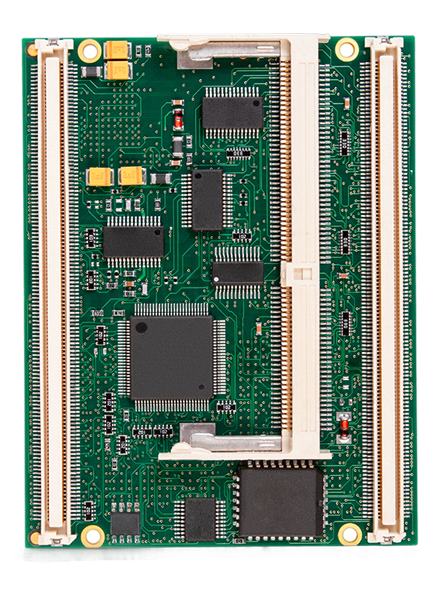
Medical devices demand an exceptional level of quality, reliability, and consistency. Whether supporting diagnostic equipment, patient monitoring systems, laboratory instruments, or imaging technology, every printed circuit board must perform exactly as intended throughout its service life.
That expectation changes how manufacturers approach medical PCB assembly. While the core processes of soldering, inspection, and testing are similar across industries, medical electronics require more rigorous quality controls, documentation, traceability, and process validation than standard commercial products.
For OEMs developing medical equipment, understanding these differences can help reduce risk and improve product quality throughout the manufacturing lifecycle.
Reliability Is a Product Requirement
Many commercial electronic products can tolerate occasional downtime or replacement. Medical equipment often cannot.
Devices used in hospitals, laboratories, and healthcare facilities frequently operate for extended periods while supporting critical workflows. Equipment failures can interrupt patient care, delay diagnoses, or increase maintenance costs.
Because of this, manufacturers of medical PCB assemblies place significant emphasis on long-term reliability during every stage of production.
This includes careful process control, validated manufacturing procedures, repeatable assembly methods, and comprehensive inspections designed to identify defects before products leave the facility.
A qualified manufacturing partner should demonstrate consistent quality across prototype, low-volume, and production builds without introducing variability between manufacturing lots.
Quality Management Standards Are More Rigorous
Quality systems are foundational to every electronics manufacturer, but medical manufacturing raises the standard.
Medical OEMs often require manufacturers to maintain certifications and documented processes that support regulated industries.
Key considerations include:
- Documented work instructions
- Controlled manufacturing processes
- Operator training records
- Calibration programs
- Corrective and preventive action procedures
- Continuous quality improvement initiatives
For many OEMs, suppliers with experience supporting highly regulated industries provide additional confidence because their quality systems are already designed around disciplined manufacturing practices.
Complete Traceability Matters
Traceability plays a much larger role in medical PCB manufacturing than it does for many commercial products.
Medical OEMs often need to know exactly where components originated, when assemblies were produced, and which materials were used during manufacturing.
A strong traceability program may include:
- Component lot tracking
- Date code verification
- Manufacturing records
- Process documentation
- Inspection records
- Test results
- Revision history
These records provide valuable information during product qualification, field service, engineering changes, and quality investigations.
Manufacturers with robust traceability systems help customers maintain compliance while simplifying future product support.
Component Selection Requires Careful Evaluation
Medical electronics frequently have longer product lifecycles than consumer electronics.
Equipment may remain in service for many years, making component availability an important consideration during product development.
An experienced medical PCB manufacturer can assist with:
- Component lifecycle management
- Alternate component recommendations
- Approved vendor sourcing
- Obsolescence planning
- Long lead-time procurement
This proactive approach helps reduce future redesigns while improving long-term manufacturing stability.
When looking for a medical PCB manufacturing partner, you want someone who supports customers with component sourcing, material planning, and supply chain management services that help maintain production continuity throughout a product’s lifecycle.
Testing Extends Beyond Basic Inspection
Every PCB assembly should undergo inspection before shipment, but medical applications often require additional testing to verify functionality and reliability.
Depending on the product, testing may include:
- Automated Optical Inspection (AOI)
- Flying probe testing
- In-circuit testing
- Functional testing
- Programming
- Customer-specific test procedures
Testing validates both assembly quality and product performance before equipment reaches the customer.
When evaluating a manufacturing partner, ask whether testing is performed in-house, how failures are documented, and whether custom test fixtures can be developed for your application.
Manufacturing Documentation Supports Consistency
Consistency becomes increasingly important as products move from engineering prototypes into production.
Detailed manufacturing documentation helps ensure every assembly is built using the same approved processes regardless of production volume.
Documentation often includes:
- Assembly work instructions
- Process validation records
- Bill of Materials verification
- Assembly drawings
- Inspection criteria
- Testing procedures
- Revision control
Well-managed documentation reduces variability while making engineering changes easier to implement across future production runs.
Clean Manufacturing Environments Protect Sensitive Electronics
Many medical electronic assemblies contain sensitive components that require controlled manufacturing conditions.
Electrostatic discharge (ESD) protection, contamination control, and proper material handling all contribute to reliable finished products.
A qualified medical electronics PCB supplier should demonstrate established procedures for:
- ESD-safe workstations
- Controlled handling practices
- Moisture-sensitive component management
- Clean assembly environments
- Proper storage of electronic components
While these practices benefit every electronics program, they become especially important when manufacturing products intended for demanding medical environments.
Engineering Collaboration Improves Manufacturability
Successful medical electronics programs begin well before production.
Manufacturing partners that participate during product development can identify opportunities to improve manufacturability while reducing unnecessary costs and production risk.
Design for Manufacturing (DFM) reviews often evaluate:
- Component placement
- Board layout considerations
- Assembly accessibility
- Test point locations
- Material selection
- Production efficiency
Early collaboration helps engineering teams resolve manufacturing challenges before they impact schedules or product quality.
Experience in Regulated Industries Provides Additional Confidence
Not every electronics manufacturer is equipped to support regulated markets.
Companies that routinely manufacture products for aerospace, defense, industrial, and medical customers understand the importance of controlled processes, documentation, inspection, and customer communication.
This experience often translates into:
- Better production planning
- Stronger quality systems
- More disciplined documentation
- Reliable schedule performance
- Faster issue resolution
For OEMs, selecting a manufacturing partner with experience supporting highly regulated industries can reduce risk throughout the product lifecycle.
Finding the Right Medical PCB Assembly Partner for Your Needs
Selecting the right partner for medical PCB assembly involves much more than finding a contract manufacturer that can populate a circuit board.
If you’re looking for an experienced partner in medical PCB manufacturing, PCB assembly, or complete turnkey electronics manufacturing, contact Golden West Technology to discuss your next project and learn how our team can support your production goals.