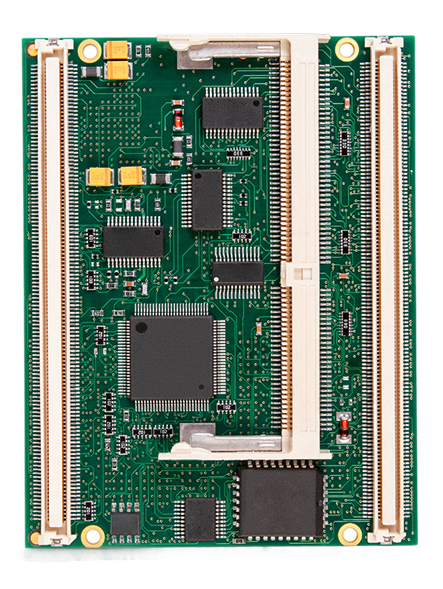
Budgeting a printed circuit board assembly project requires more than multiplying the number of boards by a standard unit price. Board complexity, components, production volume, testing, sourcing, and documentation can all influence the final PCB assembly quote.
For procurement managers and engineers, understanding these cost drivers can make supplier evaluation easier. It can also help your contract manufacturer prepare an accurate quote without a lengthy series of questions and revisions.
Whether you are sourcing a prototype, low-volume build, or repeat production order, here is what goes into PCB assembly cost and what manufacturers need to provide reliable pricing.
What Determines PCB Assembly Cost?
There is no universal PCB assembly price because every assembly has its own manufacturing requirements. Two boards of the same physical size can have significantly different costs depending on their component count, technologies, testing requirements, and production quantities.
The major cost categories typically include:
- Bare PCB fabrication
- Electronic components
- Component procurement
- Assembly labor and machine time
- Programming and setup
- Inspection and testing
- Tooling and fixtures
- Engineering or NPI requirements
- Packaging and shipping
Understanding these categories gives OEM teams a clearer picture of where project costs originate.
Board Complexity and Assembly Requirements
The design itself is one of the first factors a manufacturer will evaluate.
Component count, board dimensions, component density, package types, and assembly technology all affect manufacturing requirements. A relatively simple through-hole board has different equipment and labor requirements than a densely populated assembly containing fine-pitch SMT components, BGAs, or mixed technologies.
Manufacturers may also evaluate whether the assembly is single- or double-sided and whether any components require specialized handling.
The PCB specifications matter, too. Layer count, board material, thickness, surface finish, controlled impedance, and other requirements influence the custom PCB cost before components are assembled.
Component Selection and Availability
The bill of materials can represent a substantial portion of the total assembly cost.
Component pricing varies based on the specific part, manufacturer, quantity, availability, and market conditions. Long-lead, allocated, obsolete, or specialty components can increase both cost and procurement time.
Accurate manufacturer part numbers are particularly important when requesting a quote. A vague BOM may require the manufacturer to clarify which component should be used or make assumptions that eventually require the quote to be revised.
OEMs should also identify any approved alternates and clearly state whether substitutions require engineering approval.
Production Quantity and Setup Costs
Production volume affects the economics of PCB assembly.
Every new job can require programming, machine setup, stencil preparation, engineering review, and other activities before boards begin moving through production. These costs are distributed across the quantity being manufactured.
A prototype order of 10 boards and a production order of 500 boards may therefore have very different per-unit pricing.
When requesting a PCB assembly quote, provide both the immediate order quantity and anticipated future volumes when possible. This gives the manufacturer a better understanding of the program and can help procurement teams evaluate pricing at different production levels.
Testing and Inspection Requirements
Quality requirements should be defined during the quoting process.
Depending on the design and application, a project may require automated optical inspection, X-ray inspection, flying probe testing, in-circuit testing, functional testing, or customer-specific procedures.
Some testing methods also require dedicated fixtures, programming, or engineering work. These requirements affect the initial quote and can add upfront costs during NPI.
Providing test procedures and acceptance criteria with the RFQ helps the manufacturer account for these requirements before production.
Turnkey vs. Consigned PCB Assembly
The difference between turnkey and consigned PCB assembly can also influence how a quote is structured.
With turnkey assembly, the manufacturer typically handles component sourcing, PCB fabrication, assembly, and other agreed-upon production activities. Material and procurement costs are incorporated into the project price.
With consigned assembly, the OEM supplies some or all of the required materials. The manufacturer primarily provides assembly and related services.
A hybrid model may also be appropriate when the OEM wants to provide certain proprietary, expensive, or already-purchased components while the manufacturer sources the remainder.
When requesting pricing, clearly specify which sourcing model you want quoted and identify any customer-supplied materials.
Why the Lowest PCB Assembly Price May Not Equal the Lowest Total Cost
Searching for low-cost PCB assembly often focuses attention on the quoted unit price. Procurement teams should also consider the total cost of successfully manufacturing the product.
Comparing quotes on equivalent requirements is especially important. One supplier may include testing, sourcing, or engineering activities that another quote lists separately or excludes entirely.
A detailed RFQ makes these differences easier to identify and gives buyers a more useful basis for comparing suppliers.
What to Include in a PCB Assembly RFQ
Whether you request an online quote or work directly with a contract manufacturer, complete documentation can significantly reduce the back-and-forth required to establish pricing.
Whenever applicable, include:
- Gerber or ODB++ files
- Current BOM with manufacturer part numbers
- Pick-and-place or centroid files
- Assembly drawings
- Fabrication drawings and PCB specifications
- Order quantity and anticipated future volumes
- Turnkey, consigned, or hybrid sourcing preference
- Approved component alternates
- Testing and inspection requirements
- Applicable workmanship or quality standards
- Programming requirements
- Packaging requirements
- Required delivery date
Before submitting the RFQ, confirm that every document reflects the same board revision. Conflicting revisions can create questions during quoting and increase the risk of manufacturing errors later.
Get a PCB Assembly Quote From Golden West Technology
Golden West Technology supports OEMs with PCB assembly services, including SMT, BGA, Micro BGA, PTH, and mixed-technology assembly. Capabilities also include testing, engineering support, turnkey manufacturing, and consigned manufacturing for OEM programs.
If you are budgeting a new PCBA project or preparing an upcoming production build, send Golden West your current manufacturing package, quantities, sourcing requirements, testing requirements, and delivery goals.
Request a PCB assembly quote from our team to get started.